Key takeaways
- Label a vial the moment you reconstitute it, not later.
- Every label needs the compound, concentration, batch number, date made and a discard-by date.
- Keep the batch number: it is how you match the vial to its lab report.
- Store reconstituted vials as the manufacturer directs, typically 2–8 °C and away from light.
What goes on the label
| Field | Why | Example |
|---|---|---|
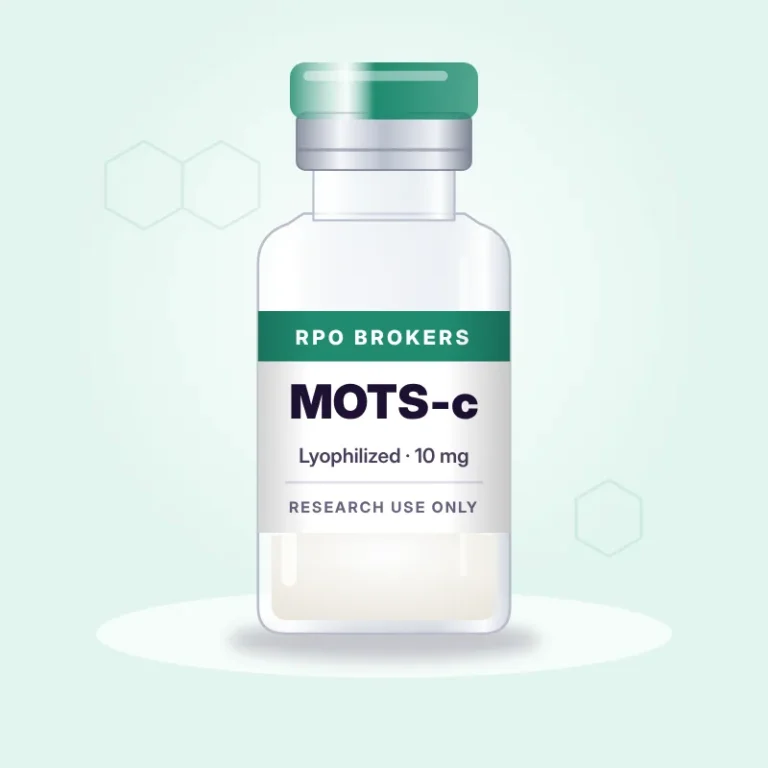
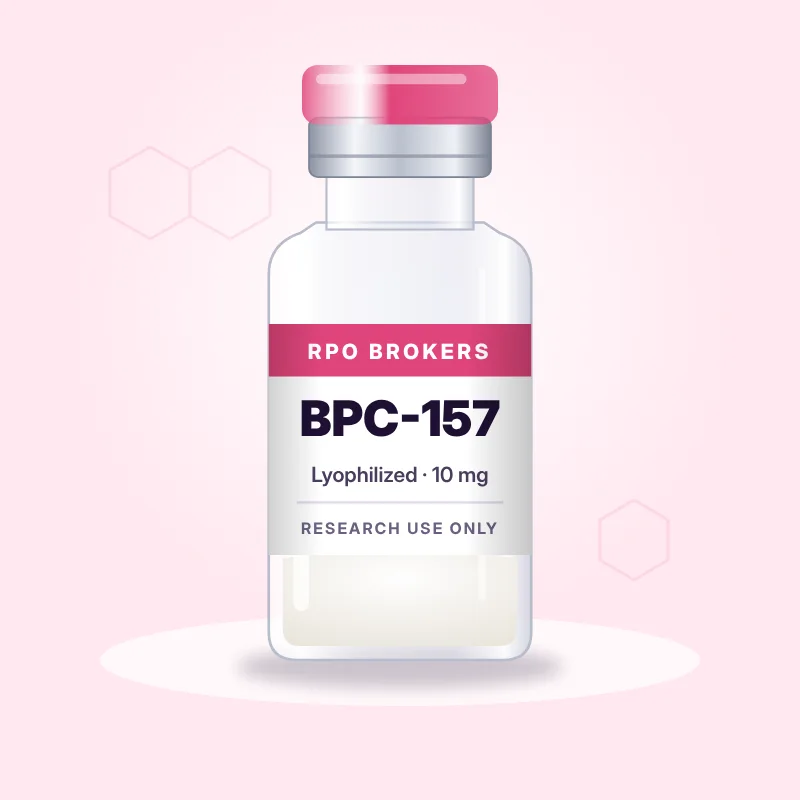
| Compound and strength | Vials look identical once the powder is dissolved. | BPC-157 · 10 mg |
| Concentration | Without it, every measurement is a guess. | 5 mg/mL (10 mg in 2 mL) |
| Batch / lot | Links the vial to its lab report. | The code printed on the original vial |
| Date made | Starts the stability clock. | Oct 31, 2026 |
| Discard-by date | From the manufacturer’s stability guidance. | Per product documentation |
| Initials | Shows who prepared it. | JD |
The free vial label maker fills these fields and prints a full sheet.
Storage basics
- Before reconstitution: keep lyophilized vials cold, dry and dark. Long-term, most peptides are stored frozen at −20 °C.
- After reconstitution: refrigerate at 2–8 °C unless the manufacturer says otherwise.
- Protect from light: store vials in their box or an opaque container.
- Avoid repeated freeze–thaw: if you need to freeze a solution, split it into single-use aliquots first.
- Keep a log: note each time a vial is accessed, so you know when to discard it.
Keep the paper trail
Write the batch number in your lab notebook next to every experiment that uses the vial. If a result ever needs checking, you can pull the exact lab report for that batch.
Frequently asked questions
How long does a reconstituted peptide last?
It depends on the compound, the diluent and the storage conditions. Use the stability window in the manufacturer’s documentation and write the discard-by date on the label.
Can I store reconstituted vials in the freezer?
Some can be frozen, but repeated freezing and thawing can degrade peptides. If you freeze, split the solution into single-use aliquots first.
Is this guidance for human use?
No. This is a laboratory handling guide for research materials.
This article is for educational purposes about laboratory research. It is not medical advice. Products mentioned are sold for research use only.